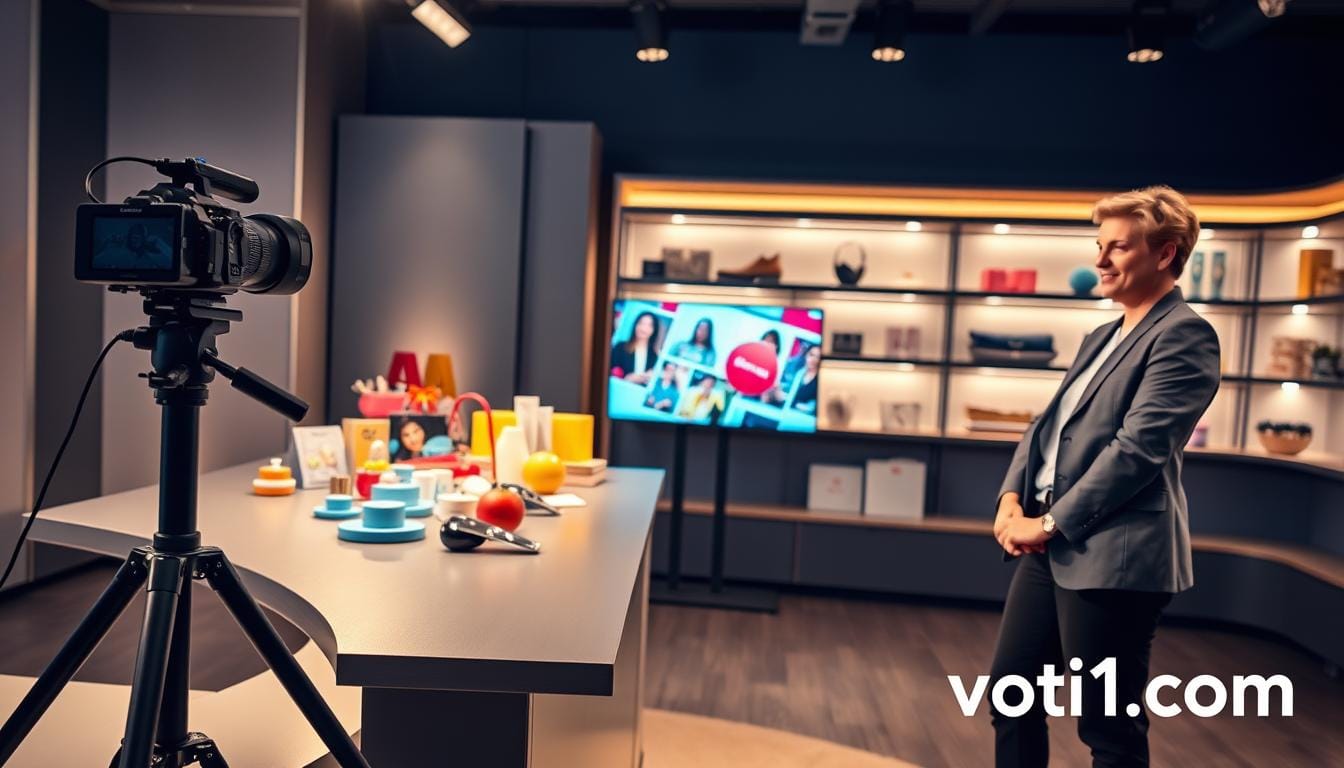
What does this process involve? It means preparing your products, platform, camera, audio, internet connection, content, and checkout path before presenting items through a real-time video event.
Why rely on static pages when your audience can see a product, ask questions, and act at once? A well-planned stream combines demonstrations, direct links, and limited-time offers to create stronger buyer interest.
The opportunity is significant. The U.S. market was projected to reach $67.8 billion in 2026. China’s market reached about CN¥5.8 trillion in 2024 and was projected to grow by 18% each year through 2026.
This guide shows you how to choose a manageable first event, win attention within about two minutes, and guide viewers toward checkout. You can begin with a smartphone, while better equipment may improve trust and reliability.
Feeling unsure about the technical work? Use the assistance option below to build your commerce site correctly and avoid wasted time.
Key Takeaways
- Prepare your products, platform, audio, camera, and checkout path first.
- Use demonstrations and viewer questions to build trust.
- Offer clear links and limited-time deals to support faster sales.
- Start small with a simple event and a smartphone.
- Capture attention early with focused content.
- Get expert help when the technical process feels unfamiliar.
What Is Live Shopping Setup and Why It Boosts Sales
Live shopping setup is the process of preparing a real-time video experience where a host presents products, answers questions, and guides viewers to purchase links. Unlike recorded videos, this format lets you respond as interest grows.
A strong shopping experience removes doubt. Viewers can see a product in use, ask about its features, and hear clear answers before making purchases. One survey found that 35% of shoppers had bought through a livestream event on TikTok or Instagram.
How Real-Time Video Turns Viewers Into Customers
Your platform creates a direct path from attention to sales. Chat, polls, and Q&A increase engagement, while clear links reduce extra steps. Fashion and beauty already account for more than 21.3% of global sales in this format.
Why Demonstrations, Chat, and Exclusive Offers Build Trust
Demonstrations show value better than product pages alone. Nordstrom Live uses expert stylists, while Sephora adds product links to beauty tutorials. Limited discounts and bonuses add urgency without replacing helpful advice.
- Answer objections in real time.
- Show practical product benefits.
- Use exclusive offers to encourage action.
Set Your Goals, Products, and Target Audience
Start with a clear plan so your first live shopping event feels focused, useful, and easy to measure. The right products and audience help you avoid wasted effort.
Choose Products That Create Immediate Buying Interest
Feature no more than 10 products. Choose bestsellers, new launches, or items that need a hands-on demonstration. Show the product’s value, answer common concerns, and explain who needs it.
Define Conversion, Engagement, and Sales Goals
Track more than viewer numbers. Set targets for attendance, watch time, engagement, conversion rate, revenue, and average order value. Tru Earth reported a 20% conversion increase during a product launch. Cofounder Ryan McKenzie credited much of that launch-day revenue to its event. Buywith has reported increases of up to 10x during high-intensity experiences.
Match Your Format to Your Audience
Create a simple customer profile with age, location, interests, objections, and preferred platform. Then choose a format that fits your audiences:
- How-to tutorial for practical products
- Expert interview for trust and education
- Comparison or styling demo for visual products
Use vertical content when your audience prefers phones. About 60% of global shoppers used mobile devices in 2023.
Choose the Right Live Shopping Platform
Your best channel depends on where your audience already spends time and how much technical work you can manage. Choose one main platform for your first event, then improve it after reviewing reach, sales, and viewer behavior.
Instagram Live, TikTok Live, Facebook Live, and YouTube
Instagram Live and TikTok Live support quick product discovery through social media. Facebook works well for established groups, while YouTube suits searchable video and repeatable sessions. TikTok Shop is available in the United States, United Kingdom, and several other markets, so check local access before planning.
- Choose Instagram for visual brands and creator partnerships.
- Choose TikTok for entertainment-led discovery.
- Choose Facebook for a loyal community.
- Choose YouTube for searchable streams and longer content.
Shopify, Amazon Live, and Dedicated Live Commerce Tools
YouTube connects with Shopify, allowing you to import products from your catalog. Amazon Live places product carousels beneath the video for eligible U.S. sellers, vendors, and influencers. Tools such as Bambuser, Channelize.io, and Emplifi add analytics, catalog links, and website checkout. Three Ships Beauty earned over 350 orders during its first one-hour Channelize.io event.
Keep your first format simple. One reliable platform gives you clearer results than five scattered streams.
Plan Your Live Shopping Event for a Smooth Customer Experience
Good timing and a clear plan can turn a product broadcast into a calm, helpful customer experience. Planning may feel difficult if you are new to this process. A simple schedule keeps your team focused and gives viewers a reason to stay.
Select the Date, Time, Length, and Event Format
Choose a date based on your audience’s primary time zone. Avoid Black Friday and other major sales periods for your first event. Competition can be high, and customers may feel overwhelmed.
Keep the session short, focused, and easy to manage. Feature a limited product range and choose one format. An expert interview, influencer tutorial, styling demonstration, or behind-the-scenes order review can work well. Match the format to your platform, audience, and sales goal.
Create a Flexible Product Presentation Script
Write an opening hook, key benefits, pricing details, answers to objections, and clear calls to action. Leave room for questions, polls, and useful customer comments. This planned spontaneity keeps the stream natural.
Test every step before promotion. Follow the path from video to product page, cart, checkout, confirmation email, and inventory update. Check the camera, equipment, and internet connection, too.
Want to avoid costly delays? Get help preparing your event and site correctly.
Prepare Your Camera, Audio, Lighting, and Internet Connection
Clear picture and sound make your product event feel trustworthy. You can begin with a smartphone, tablet, or webcam. Add a tripod to keep the camera steady. This basic equipment works well for a first session on Instagram Live or another platform.
Prioritize audio before adding costly equipment. A lavalier or wireless microphone helps you move freely. A wired or boom microphone may suit a seated host. Use key lighting on your face, fill lighting to soften shadows, and backlighting for depth. A ring light offers a simple option for small spaces.
“Clear sound keeps viewers listening while steady video keeps them watching.”
Build a Reliable Technical Safety Net
Use a clean, welcoming background with products or branded details. Record a full rehearsal to check camera angles, audio, lighting, and platform settings. A stable 4G connection may outperform weak Wi-Fi during streaming.
Advanced equipment can add risk. A professional camera may need a signal converter, encoder, audio mixer, and streaming software. Keep spare cables, backup power, a second connection, and a recorded product video ready. If this setup feels technical, professional assistance can save time and reduce delays.
Create Shoppable Content That Drives Immediate Purchases
Useful content turns product interest into a clear next step. Show how each item fits daily life, then explain its value in simple terms. This approach helps viewers picture ownership and builds trust during the event.
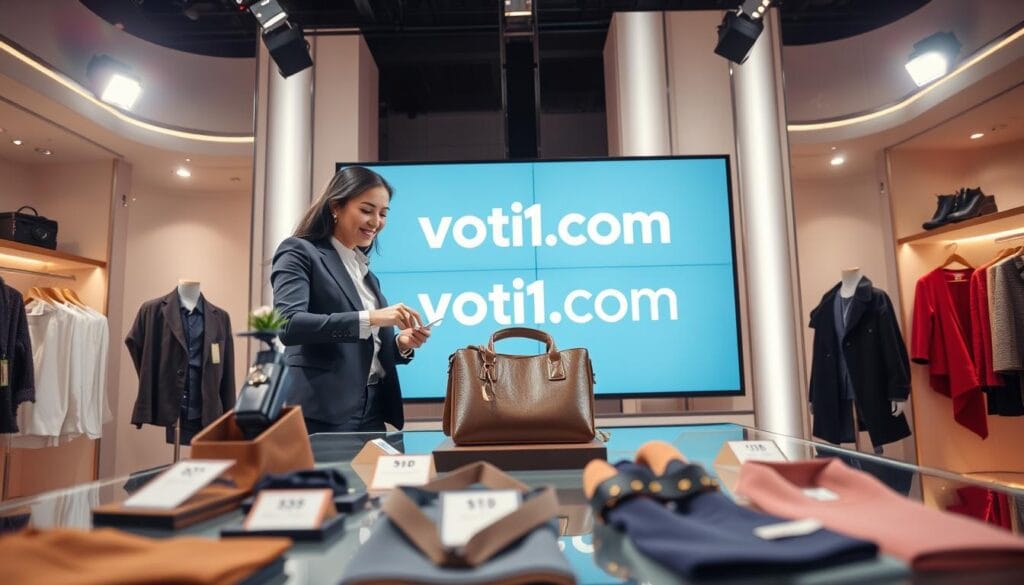
Demonstrate Products in Real-Life Use
Follow Wayfair’s home décor approach by showing scale, texture, and placement in a real room. Use close camera angles, unboxing, styling, testing, or before-and-after scenes to reveal important features.
Nike connects products with athlete stories and personal goals. You can use a similar format by linking each product to a customer problem or desired result. Sephora’s tutorials also show how real-time links can support an easy purchase.
Use Product Tags, Pinned Links, and Clear Calls to Action
Add product tags, pinned comments, and onscreen buttons to shorten the path to checkout. Repeat the product name, price, stock status, shipping details, and warranty after each demonstration.
- Tell customers exactly where to tap.
- Keep purchase instructions brief.
- Repurpose the stream into short videos.
Keep your format natural. Authentic selling often creates stronger engagement than a polished commercial.
Promote Your Livestream Before It Starts
Early promotion gives your event room to grow. Start several days ahead, then remind your audience as the date gets closer. Share the topic, featured products, format, and reason to attend in every message.
Build Anticipation With Social Media Content and Reminders
Promote your live shopping event through social media, email, and app alerts. Post countdowns, behind-the-scenes clips, host introductions, and product sneak peeks. Each short video should show the event time, viewing link, and expected length.
- Send reminders with discount details and product highlights.
- Use registration data to tailor messages for loyal buyers and cart visitors.
- Explain what viewers will learn, see, or receive.
Use Influencers, Email Marketing, and Viewer Incentives
Work with creators whose audiences match your customers. MAC Cosmetics builds interest with influencer partnerships and countdowns. You can also offer early access, raffle entries, free gifts, or exclusive codes.
Repeat your message across key media channels. A Bambuser case study found that Printemps earned over 300,000 impressions through live events. For more help, explore launching your TikTok Shop.
Engage Viewers and Increase Sales During the Stream
Active participation turns a product presentation into a shared experience. Invite your audience to respond, then use their feedback to guide the event. This real-time approach makes selling feel helpful instead of forced.
Use Live Chat, Polls, and Q&A Sessions
Greet viewers by name when possible and answer comments quickly. Tommy Hilfiger uses polls and Q&A sessions to encourage participation. Ask about preferences, concerns, and the features customers want to see next.
- Use polls to compare colors, sizes, or product benefits.
- Answer questions about ingredients, fit, delivery, and returns.
- Pin helpful comments and purchase links on your platform.
Create Urgency With Live-Only Deals and Limited Offers
Offer a clear deadline through flash discounts, bonus gifts, or short-term bundles. POPFLEX pinned a discount code for viewers during its livestream. State the terms openly, and place a strong call to action after each demonstration.
Monitor clicks, carts, sales, and stock during the event. Exclusive discounts can increase engagement, while Tru Earth reported a 20% conversion increase during a launch. Create urgency without false scarcity to protect trust and encourage future purchases.
Avoid Common Live Shopping Setup Mistakes
Small errors can cause costly delays, lost trust, and missed sales. A short review helps you protect the customer experience before your event begins.
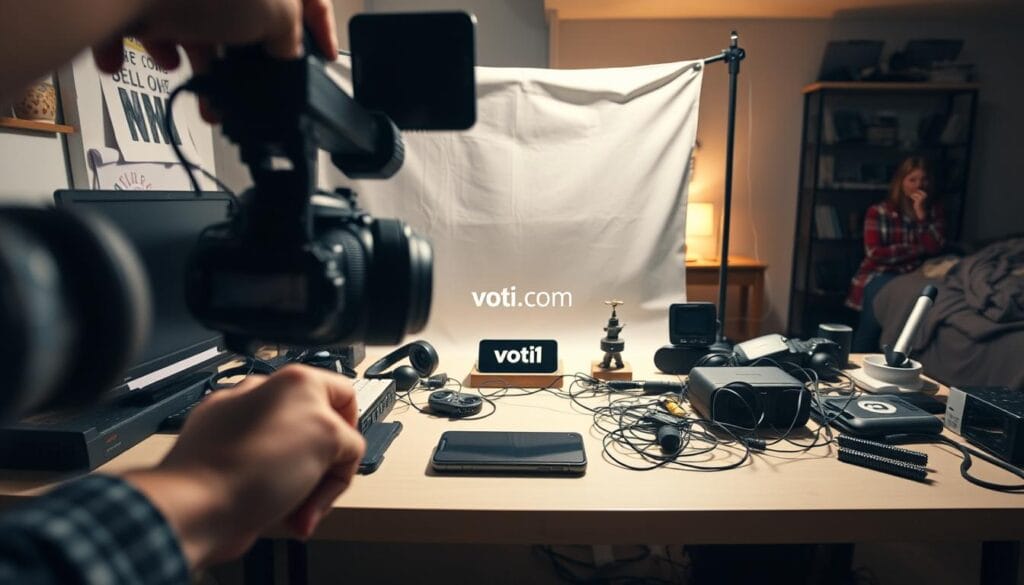
Prevent Poor Audio, Unstable Video, and Connectivity Problems
Test audio before video. Viewers may accept a basic camera, but muffled speech and background noise often drive them away. Secure the camera on a tripod, improve the lighting, close unused apps, and review the platform requirements.
Test Wi-Fi and mobile data separately. A steady 4G phone connection may work better than crowded Wi-Fi. Since about 60% of shoppers used mobile devices in 2023, use a vertical format when possible. Record a full rehearsal to find weak sound, poor camera angles, or incorrect settings.
Keep Your Presentation Authentic Instead of Overly Scripted
Rehearse your opening, product changes, checkout directions, and backup plan. However, do not read every line. Natural demonstrations and honest answers create stronger engagement than a rigid commercial.
If technical problems feel difficult, experienced help can protect your time and support a smoother livestream.
| Risk | Quick check | Better result |
|---|---|---|
| Poor audio | Test the microphone | Clear speech |
| Shaky camera | Use a tripod | Steady video |
| Weak connection | Compare Wi-Fi and 4G | Fewer drops |
Get Expert Help Building Your Live Shopping Site Faster
Professional guidance can make your first commerce event easier to manage. It helps if you are new to ecommerce tools or need to protect valuable time.
When the Process Feels Too Technical or Time-Consuming
You may need help with catalog connections, product tags, checkout settings, analytics, mobile design, or livestream software. A specialist can also test each link and prepare a clear event format for your audience.
This support matters even when you understand the process. Building a store, checking inventory, fixing video issues, and testing purchases can take hours. Expert help reduces wasted effort and supports a smoother customer experience.
How Professional Assistance Helps You Launch Correctly
A specialist can connect product pages, payment tools, inventory data, the video player, and purchase prompts. This lowers the risk of broken links, slow pages, missing products, or delayed checkout.
- Emplifi supports brands such as Pandora, HP, and Marks & Spencer.
- Channelize.io serves Kiehl’s, Tatcha, and Giorgio Armani.
- Bambuser supports Shopify retailers, including HUGO BOSS.
Use expert support to protect your time and help customers buy with confidence.
| Need | Specialist support | Business value |
|---|---|---|
| Technical skills | Connects tools and tags | Fewer errors |
| Limited time | Tests links and checkout | Faster launch |
| Customer trust | Improves mobile performance | Smoother purchases |
Conclusion
Your path to live shopping success begins with a focused catalog, clear goals, reliable tools, useful content, and an easy checkout. This structure helps growing brands guide interest toward confident purchases without adding needless steps.
A manageable event lets you test the host, platform, offers, and product links before you expand. Use demonstrations and direct answers to build trust.
Keep momentum through social media, email reminders, creator partners, and short videos. Repurposed content can give future events more value from one broadcast.
After each event, review attendance, comments, clicks, conversion, revenue, product results, and customer feedback. Use these insights to improve timing and offers.
If technology feels unfamiliar, expert assistance can build a dependable store and handle key tasks.
FAQ
What is a live shopping setup?
It is a planned video sales experience where you present products, answer questions, and guide viewers toward checkout in real time.
Which products work best for this format?
Choose items that are easy to demonstrate and solve a clear customer need. Beauty products, fashion, electronics, food, and home goods often perform well.
Which platform should you choose?
Choose Instagram Live, TikTok Live, Facebook Live, YouTube, Shopify, Amazon Live, or a dedicated commerce tool based on your audience, product type, and sales goals.
How long should a shopping event last?
Aim for 30 to 60 minutes. This gives you enough time to explain products, answer questions, and create purchase opportunities without losing audience attention.
What equipment do you need?
Start with a reliable camera or phone, a clear microphone, a tripod, strong lighting, and a stable internet connection. A clean background also improves the viewer experience.
How can you make product demonstrations more effective?
Show each item in a real-life situation. Explain its features, benefits, size, use, price, and care details. Let viewers see how the product solves a problem.
How do product tags and pinned links help?
They shorten the path from interest to checkout. Use clear calls to action and direct viewers to the correct product page, offer, or payment option.
How can you promote the event before it starts?
Share short videos, email reminders, countdown posts, and product previews. You can also work with influencers and offer an event-only incentive.
How do you keep viewers engaged?
Use chat, polls, Q&A sessions, demonstrations, and product comparisons. Respond to comments by name when possible, and invite viewers to share their preferences.
How can you create urgency without pressuring customers?
Offer a clear time limit, limited quantity, bonus item, or special price. State the terms honestly and explain when the offer ends.
What technical problems should you test for?
Check your audio, camera angle, lighting, internet speed, product links, inventory, and payment flow. Record a rehearsal and keep a backup device ready.
How can you keep your presentation authentic?
Use a flexible outline instead of reading every word. Speak naturally, show honest product details, and answer questions with helpful, direct information.
When should you hire professional help?
Consider expert support when platform settings, product feeds, payment tools, analytics, or technical production take too much time. Professional guidance can help you launch with fewer errors.