
What if your next purchase could feel more like a helpful conversation than a search through static pages? Live shopping USA is an online retail format where a host presents a product through streaming video. Viewers can ask questions, react to the presentation, and buy without leaving the event.
This format brings entertainment, product education, instant checkout, and personal guidance into one journey. U.S. e-commerce sales exceeded $17 billion in 2022, while the market may reach about $68 billion by 2026. That growth gives American brands a strong reason to test livestream shopping as a focused revenue channel.
In this guide, you will explore platforms, equipment, promotion, event planning, and performance tracking. You will also see how video can reduce doubt before purchase and build a closer connection with your audience. Want to avoid setup delays? Use the button below for practical assistance with your launch.
Key Takeaways
- Livestream shopping combines real-time interaction with fast checkout.
- Live commerce gives American brands a new way to reach interested viewers.
- Clear demonstrations can reduce uncertainty before a purchase.
- Strong events blend community, education, and personalized recommendations.
- A practical roadmap helps you plan, promote, and measure each event.
- Professional support can make your first launch faster and easier.
What Is live shopping usa and How Does It Work?
Live shopping USA connects a product demonstration, real-time chat, and checkout in one digital session. A host presents an item on video while viewers watch, ask questions, and select a pinned product. An integrated platform then sends the buyer to a simple payment page.
Video, Real-Time Chat, and Instant Product Purchases
Unlike standard ecommerce, this format lets you see fit, texture, size, and function before a purchase. Chat tools provide quick answers, while stock updates and mobile checkout reduce delays. Traditional shopping often converts at 2% to 3%; live commerce sessions commonly reach 8% to 15%.
How Livestream Shopping Differs From Traditional E-Commerce
The stream creates urgency through limited offers and timed releases. Research shows that 73% of consumers feel more likely to buy after an event, and 47% make impulse purchases during sessions.
Why Demonstrations and Host Interaction Build Buyer Trust
About 82% of consumers enjoy speaking with a host, while 71% trust host advice more than online reviews. Accurate claims still matter. For unfamiliar brands, moderation, inventory syncing, payment tools, and mobile performance can make setup difficult.
“Clear answers turn uncertainty into confident action.”
Live Shopping USA Market Trends and Consumer Adoption
Mobile-first buying is turning creator content into a direct path from discovery to checkout. In the United States, forecasts place the market between $55 billion and about $68 billion by 2026. Sales already exceeded $17 billion in 2022, showing that this trend has moved beyond small experiments.
Why the United States Is Becoming a Major Live Commerce Market
China held more than 78% of global activity, with its market expected to reach 4.9 trillion yuan in 2023. North America has grown 68% since 2020, while Europe saw an 86% rise in livestream shoppers. Younger consumers know creator culture, mobile video, and social commerce well, so interactive events feel natural.
How TikTok Shop, Whatnot, and Amazon Live Are Shaping Shopping Behavior
TikTok Shop launched in September 2023 and connects short video, creator advice, product discovery, and checkout for over 150 million U.S. users. Whatnot suits community-led auctions and collectibles. Amazon Live supports trusted retailers and broad product research. Still, projections are not promises. Test one stream, track conversion rates, and repeat only when results support demand.
| Platform | Best fit | Core strength |
|---|---|---|
| TikTok Shop | Trend-focused brands | Creator discovery |
| Whatnot | Collectors | Community auctions |
| Amazon Live | Retail shoppers | Trusted product research |
Key Benefits of Live Shopping for American Brands
Your brand can turn a product presentation into a useful customer conversation. This approach combines education, entertainment, direct sales, service, and community in one event. It gives viewers clear answers instead of relying on one-way advertising.

Real-time demonstrations and host advice can support stronger conversion. Fashion and beauty sessions have reported conversion rates as high as 70%. Also, urgency, bundles, cross-selling, and limited offers may lift average order value by 20% to 40% above a standard ecommerce site.
Sephora reports about $50,000 in revenue per session. Your results will depend on audience size, category, offer, platform, and execution. In addition, 73% of consumers say an event makes them more likely to purchase, while 67% feel a sense of community.
- Clear demonstrations can improve product expectations and lower return rates.
- Reusable video and first-party insights can guide future sales.
- Fast feedback can reveal product-market fit.
Poor moderation, inaccurate inventory, weak offers, or confusing checkout can erase these gains. Professional setup helps your business protect time, improve engagement, and build a smoother ecommerce experience.
Best Live Shopping Platforms for Your Business
The right platform can shape how people discover your offer, trust your brand, and complete a purchase. Start with your goal. Do you need fast audience growth, stronger data ownership, or tighter control over the checkout path?
Social Media Platforms for Audience Reach and Discovery
TikTok Shop reached the United States in September 2023 and can expose products to more than 150 million active users. Instagram, Facebook, and YouTube also support creator video, product tags, and replay content. Whatnot leads North America’s marketplace for collectibles, vintage fashion, sneakers, auctions, and community sales.
Amazon Live suits Amazon sellers who want a familiar retail setting. However, social media platforms control much of the algorithm, interface, fees, moderation, and customer data. Your reach may grow, but your audience relationship remains partly dependent on each platform.
Branded E-Commerce Platforms for Data Ownership and Conversion Control
Bambuser offers a Shopify Essential plan from $199 monthly and a One-to-Many Starter plan from $599. These tools can support a branded storefront, catalog control, analytics, and a smoother conversion path. They need careful setup, inventory checks, and checkout testing.
Need technical support?
| Platform type | Best for | Main trade-off |
|---|---|---|
| Social media | Discovery and creators | Less data control |
| Whatnot | Auctions and collectibles | Category-focused reach |
| Amazon Live | Amazon sellers | Marketplace limits |
| Bambuser | Branded ecommerce | More setup work |
Products and Industries That Perform Well During Live Shopping Events
Some products sell better when customers can see, hear, and assess them in action. Visual proof makes livestream shopping more useful, especially for items with fit, texture, function, or authenticity concerns.
Fashion, Beauty, and Apparel Demonstrations
Fashion and beauty generate about 51% of global live shopping sales. Hosts can show fit, color, texture, styling, and product combinations. Makeup tutorials, skincare routines, and try-ons help viewers judge results. Conversion rates in this category can reach 70%, though results vary by trust, price, and presentation.
Electronics, Home Goods, and Consumer Technology
Electronics, kitchen tools, furniture, and home goods benefit from clear demonstrations. Show setup, sound, speed, dimensions, and everyday use. A host can answer practical questions and reveal limits that product pages may miss. This approach creates a more useful ecommerce experience.
Collectibles, Wellness Products, and Specialty Items
Sneakers, trading cards, vintage goods, and rare collectibles gain attention through scarcity, bidding, and community. Whatnot top sellers can exceed $100,000 in yearly sales. Wellness brands should share ingredients, safety details, and evidence-based claims. Test bundles, prices, and product groupings before expanding your catalog.
| Category | Best demonstration | Key trust factor |
|---|---|---|
| Fashion and beauty | Try-ons and application | Fit and honest results |
| Electronics and home | Setup and performance | Useful proof |
| Collectibles and wellness | Authenticity and details | Transparency |
How to Choose the Right Live Shopping Strategy for Your Store
Your store’s best format depends less on hype than on the job you need the event to do. First, choose one clear goal: product discovery, qualified leads, conversion, larger orders, retention, or inventory clearance. This focus keeps your strategy practical and measurable.
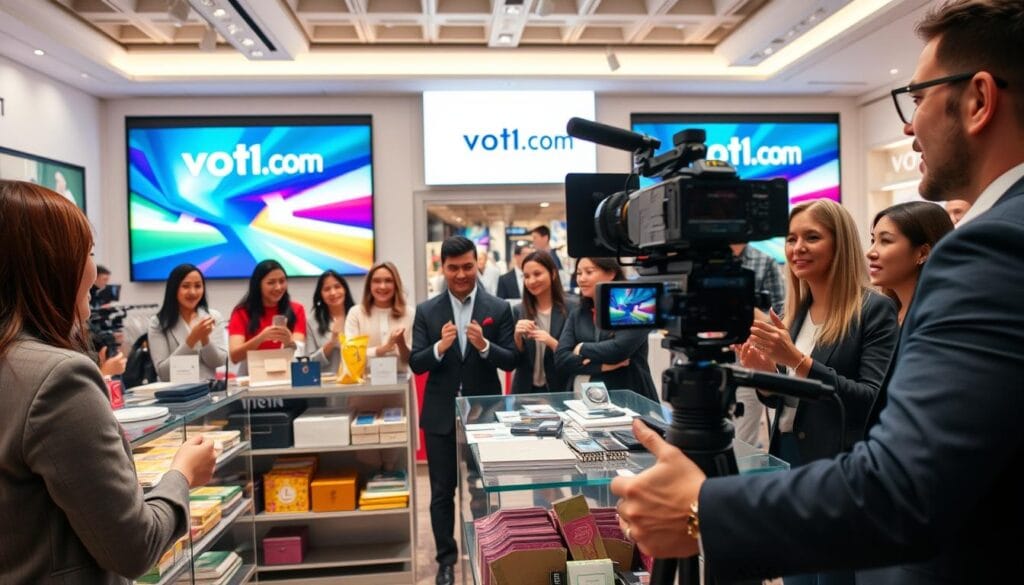
Next, match the format to your audience and product. A marketplace can offer reach, while social commerce supports creator engagement. An embedded stream or permanent shoppable video gives your business more control. A hybrid approach may suit established brands with several customer paths.
Consider price, margin, repeat demand, and demonstration value. Simple products may need only a smartphone test. More complex items require catalog syncing, moderation, compliance checks, analytics, and reliable fulfillment. Standard ecommerce rates often reach 2% to 3%; live shopping events commonly report 8% to 15%. Treat those figures as benchmarks, not promises. North America has grown 68% since 2020, but success still depends on execution.
- Who owns the audience and customer data?
- What fees, support, and checkout limits apply?
- Can you reuse content across platforms?
- Does the format save time and create long-term value?
Short on time? Professional help can prevent costly delays and strategic mistakes.
How to Create Your Live Shopping Site Without Costly Mistakes
A reliable store turns a product demo into a smooth path from video discovery to checkout. Begin with a stable phone or camera, ring light, lavalier microphone, strong internet, neutral background, product samples, and backup power.
Essential Equipment, Product Catalog, Checkout, and Streaming Features
Sync your catalog before the event. Test product tags, variants, prices, stock levels, discount codes, taxes, shipping rules, payment processing, mobile checkout, and order emails. Confirm every link on the platform and in the video. A broken offer or oversold item can damage trust fast.
A small DTC test may cost $80 to $200 each month for software. Bambuser plans start at $199 for Shopify Essential and $599 for One-to-Many Starter. Mid-market events may cost $1,500 to $3,500, while enterprise production can reach $5,000 to $15,000.
Why Unfamiliar Brands May Need Expert Help With Setup and Integration
New teams often face APIs, Shopify integration, stream delay, moderation, analytics, replay editing, and service handoffs. Even experienced brands may lack time for quality checks, documentation, and launch monitoring. Professional implementation helps you avoid preventable errors.
How to Plan and Host a Successful Live Shopping Event
A well-planned broadcast helps your audience feel informed, welcomed, and ready to act. Promote the event 7 to 10 days ahead with email, social posts, and a clear reminder schedule. Keep the first event focused on a small product group so you can study viewer behavior.
Choosing an Engaging Host and Preparing Products for Demonstration
Choose a host who knows the product, speaks clearly, and answers questions with confidence. The host should maintain energy for a 30- to 60-minute session. About 82% of consumers enjoy interacting with hosts, so natural conversation can improve engagement.
- Create a simple product order with benefits, objections, prices, variants, stock, and purchase steps.
- Rehearse camera framing, sound, lighting, internet, links, codes, checkout, and chat moderation.
- Alternate education, demonstrations, questions, reviews, offers, and reminders.
- Prepare a backup plan for technical faults or missing inventory.
Whatnot sellers often run several 30- to 60-minute sessions each week. Set your own schedule around demand, inventory, and host capacity. Accurate preparation protects the customer experience and supports long-term success.
How to Promote Your Livestream and Keep Viewers Engaged
Interest grows when your promotion gives people a clear reason to return. Begin 7 to 10 days before your broadcast. Share an email, social media post, short video, creator mention, SMS reminder, and website banner. Add countdown content as the date nears. If TikTok is part of your plan, review this guide to launching your TikTok Shop.
Offer an exclusive bundle, early access, giveaway, poll, quiz, or product drop. Keep each offer honest and explain its limits. A clear deadline can encourage action without misleading your audience. In fact, 47% of viewers make impulse purchases during sessions.
During the stream, welcome people by name and ask questions. Respond to chat in real time, repeat product links, explain checkout, and summarize key benefits. Since 67% of consumers feel community during these events, use a familiar host and invite feedback after each event.
- Reuse clips, testimonials, and highlights on product pages, email, and social commerce channels.
- Track sign-ups, attendance, watch time, chat activity, clicks, sales, and drop-off points.
Promotion across several channels takes time.
How to Measure Conversion Rates, Sales, and Long-Term Success
Reliable measurement shows which parts of your event create profit, not just attention. Set a baseline before you begin. Standard ecommerce conversion rates often sit at 2% to 3%, while live commerce may reach 8% to 15%. Treat these figures as benchmarks, not promises.
Tracking Viewer Engagement, Add-to-Cart Activity, and Average Order Value
Track reach, peak viewers, watch time, chat activity, clicks, add-to-cart actions, purchases, and checkout completion. A typical session lasts about 13 minutes. Also review revenue per viewer, average order value, units per order, margin, acquisition cost, refunds, and return rates. Bundles may raise order value by 20% to 40%.
Using Replays, Shoppable Video, and Customer Feedback to Improve Results
Replays and redistribution can retain 60% to 80% of session value. Shoppable video may lift page time by 88% and add-to-cart activity by 64%. Tortuga Backpacks reported a 14% conversion increase, while Dr. Dennis Gross exceeded $1 million and achieved 328× ROI. Sephora reports about $50,000 per session. Use surveys, reviews, chat logs, and service questions to refine each event.
Measure the full customer journey, then improve one step at a time.
Conclusion
Interactive retail gives American businesses a practical path from product discovery to trusted purchase. Live shopping combines video, questions, education, community, and checkout in one measurable experience. Viewers gain clarity, while brands gain useful customer signals.
Your strategy should fit your products, audience, staff, data needs, and production time. Social media platforms can build reach quickly, while branded platforms can offer more control over checkout, analytics, replays, and the customer relationship. This commerce model supports another form of social commerce, too. Consistent events, useful demonstrations, responsive hosts, and feedback can improve engagement, conversion, and return rates.
Unfamiliar tools, catalog links, moderation, or payment steps can consume valuable time. Expert support helps you avoid costly errors and focus on customers, products, and growth. A careful stream and replay stream can create lasting value beyond one shopping event.
FAQ
What is livestream commerce?
Livestream commerce combines video, product demonstrations, real-time chat, and checkout in one session. You can watch a host, ask questions, and purchase products without leaving the platform.
Which platforms work best for American brands?
TikTok Shop, Whatnot, Amazon Live, and branded ecommerce platforms can help you reach the right audience. Your choice should match your products, customer needs, budget, and data goals.
What products perform well during a livestream?
Fashion, beauty, electronics, home goods, collectibles, wellness products, and specialty items often attract strong engagement. Choose products that benefit from demonstrations, comparisons, or expert advice.
How can you build trust with viewers?
Use a credible host who explains product value clearly and answers questions in real time. Honest demonstrations, customer reviews, and clear return policies can also reduce buyer concerns.
What equipment do you need to host an event?
You need a reliable camera, microphone, lighting, stable internet, product samples, and a connected checkout system. Test every feature before the event to prevent delays and poor video quality.
How do you promote a livestream event?
Promote it through email, social media, creator partnerships, paid media, and reminders on your website. Share the event time, featured products, special offers, and reasons for customers to attend.
How can you keep viewers engaged?
Invite people to ask questions, use polls, offer limited-time deals, and demonstrate products from different angles. A clear schedule and an energetic host can help viewers stay through the full session.
Which metrics should you track?
Track viewer engagement, watch time, product clicks, add-to-cart activity, conversion rates, sales, and average order value. These figures show where your strategy works and where your audience needs more support.
Can replays continue to generate sales?
Yes. Shoppable video replays can reach customers who missed the original event. Add product links, captions, chapters, and customer feedback so the recording remains useful after the broadcast.
How can you reduce return rates?
Provide accurate product details, sizing information, demonstrations, shipping terms, and care instructions. Answer common questions before checkout so customers can make informed purchase decisions.
Should you use social media or a branded platform?
Social media can expand reach and support product discovery. A branded platform gives you greater control over customer data, checkout, design, and long-term ecommerce relationships.
When should you seek expert help?
Consider expert support when you need platform integration, catalog setup, payment tools, analytics, or a custom customer experience. Professional guidance can help unfamiliar brands avoid costly technical and strategy mistakes.