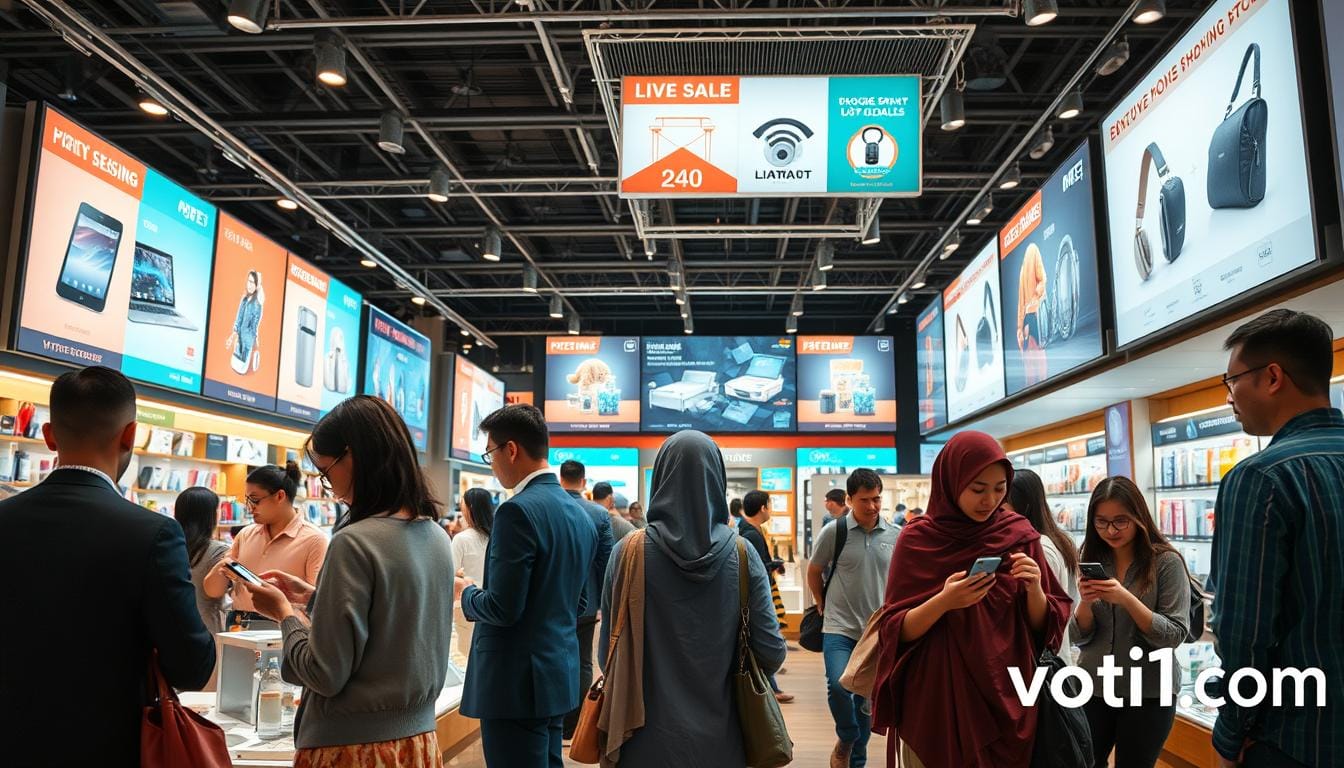
Could a digital host build more trust than a product page alone? Yes. This format blends livestream video, instant questions, product demos, and one-step purchasing in a single experience.
The format matters now because it brings personal service to e-commerce while reaching viewers across the United States. China represents over 78% of the global live shopping market, and U.S. sales may reach $55 billion to $68 billion by 2026.
Shoppable videos can raise product-page time by 88% and add-to-cart activity by 64%. TikTok Shop, Whatnot, Amazon Live, branded websites, and AI tools are shaping a new commerce strategy for brands.
Strong events need reliable technology, product feeds, moderation, and promotion. If building your own experience feels difficult, use the button below for help.
Key Takeaways
- Real-time retail combines video, chat, and purchasing.
- China leads global adoption.
- U.S. growth is accelerating.
- Shoppable videos can improve engagement.
- Smart strategy helps your business compete.
What Is the Live Shopping Market and Why Is It Growing?
Live shopping combines a hosted video broadcast with instant checkout. It resembles teleshopping, but the program runs online and invites viewers to take part. You can ask about a product, join a poll, or guide the host toward the next demonstration.
How Real-Time Interaction Transforms Online Buying
This real-time interaction reduces doubt. A customer can see how an item works, hear a clear answer, and make a faster choice. Product demonstrations also reveal details that photos and short descriptions may miss.
Standard e-commerce conversion rates often sit near 2% to 3%. By comparison, live commerce events commonly reach 8% to 15%. That difference explains why each platform attracts more sellers and viewers.
Why Live Commerce Feels More Like In-Store Retail
Chat, quizzes, and host replies create a personal experience. The interaction feels less passive than a typical product page. If you need help setting up this platform, explore TikTok Shop launching guidance or request professional site support.
Live Shopping Market Growth Across the United States and Global Markets
Regional data shows how quickly this format is changing digital retail. China leads adoption, while U.S. brands now gain stronger access to social commerce and global viewers.
China’s Leadership in Livestream Shopping
China represents more than 78% of the global market. Its livestream GMV was expected to reach $4.9 trillion in 2023. During Singles’ Day, Alibaba’s Taobao recorded 540 billion yuan, or about $76.5 billion, through hosted sales events.
U.S. Adoption Through TikTok Shop, Whatnot, and Amazon Live
The United States gained momentum after TikTok Shop launched in September 2023. Its network reaches more than 150 million active U.S. users. Whatnot also connects viewers with collectibles, vintage fashion, and sneakers through community bidding. Amazon Live adds another familiar platform for product demonstrations.
Growth Across Europe, Southeast Asia, and Emerging Regions
Europe saw an 86% rise in livestream shoppers, while North America grew 68% since 2020. Indonesia, Thailand, and South Korea remain strong Asia-Pacific markets. Latin America and Africa offer fresh room for expansion, giving U.S. brands more ways to reach new audiences.
Ready to reach U.S. customers?
Key Live Shopping Statistics and Sales Trends for Your Business
Numbers help you judge whether this channel deserves budget, staff, and media support. Compare each event with your usual e-commerce results, then track revenue, costs, and repeat customer value.
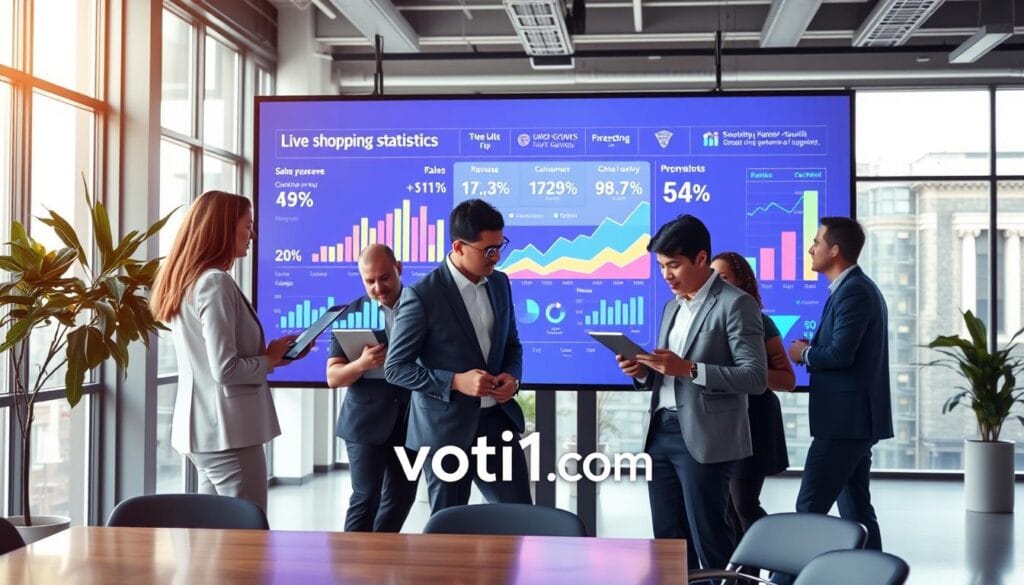
Market Size, Viewer Engagement, and Consumer Adoption
Standard e-commerce conversion rates average 2% to 3%. By contrast, live shopping conversion rates often reach 8% to 15%, with some reports showing 9% to 30%. Fashion and beauty shopping events can reach 70%, though audience quality and host skill shape the outcome.
Average sessions last about 13 minutes. That gives your host more time to explain a product, answer questions, and guide viewers toward a clear offer. Reusable video content can extend sales after the original event.
Conversion Rates, Average Order Value, and Return Reduction
- Hosts can lift average order value by 12% to 15%, or 20% to 40% with strong cross-selling.
- Buy Now, Pay Later may raise order values by 25% to 30%.
- Dr. Dennis Gross generated over $1 million, an 8.2% conversion rate, and 328× ROI.
- Tortuga Backpacks increased product-page conversions by 14% and revenue per visitor by 16%.
Use these benchmarks to compare platforms, refine marketing, and measure your return on investment. Amazon Live and branded events can both support this test.
How Live Shopping Events Influence Consumer Behavior
Buying decisions often change when people can watch, ask, and respond at once. This shared setting gives viewers more confidence than a static sales page. It also helps you create a memorable customer experience.
Urgency, Impulse Buying, and Limited-Time Offers
Limited offers create urgency because viewers fear missing a useful deal. In fact, 47% report impulse purchases during these sessions. Also, 73% are more likely to buy after an event than after ordinary promotion.
Use honest countdowns, clear stock updates, and simple checkout steps. This urgency should guide a decision, not pressure a customer. A fair approach protects trust while supporting sales.
Trust, Product Demonstrations, and Host Recommendations
Demonstrations show fit, texture, scale, and performance. Viewers can ask questions through direct interaction, which lowers doubt. Eighty-two percent enjoy speaking with a host, while 71% trust host recommendations more than online reviews.
Social features build community, too. Sixty-seven percent feel belonging during events. Polls, replies, and shared reactions strengthen community and give brands the ability to turn individual interest into a group experience.
Focus on useful guidance, real answers, and genuine community. These choices make shopping events feel helpful rather than forced.
Industries and Products Benefiting Most From Live Commerce
Some categories sell better when customers can see details, ask questions, and watch a product in use. Visual proof and expert guidance make these industries strong choices for interactive commerce.
Fashion, Beauty, and Personal Care
Fashion and beauty lead adoption because color, fit, texture, and application matter. These categories account for 51% of global live shopping sales. Sephora reports about $50,000 in average revenue from each influencer-led beauty session.
“A clear demonstration turns product detail into proof.”
Electronics, Home Goods, and Consumer Products
Electronics, furniture, kitchen tools, and home goods benefit from demonstrations. Hosts can show setup, size, controls, sound, and performance. That clarity helps shoppers judge complex products before completing an e-commerce purchase.
Health, Wellness, Collectibles, and Specialty Shopping
Fitness brands can pair workout videos with product advice. Wellness services also gain trust through practical instruction. On Whatnot, collectibles, sneakers, and vintage fashion thrive through scarcity, bidding, and specialist knowledge. These live shopping events create a focused audience and a stronger experience.
| Category | Key Advantage | Example |
|---|---|---|
| Beauty | Visual application | Sephora sessions |
| Home goods | Function and scale | Furniture demos |
| Specialty items | Scarcity and expertise | Whatnot collectibles |
Live Shopping Platforms and Technology Your Brand Can Use
Your choice of sales technology shapes reach, control, and customer trust. Start with your audience, product range, budget, and data goals.
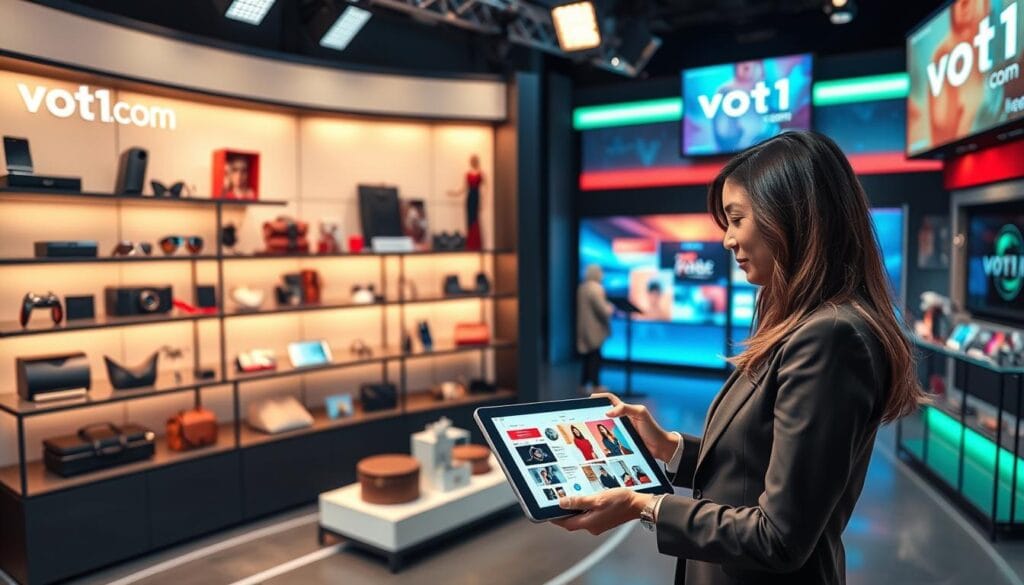
Social Media and Marketplace Platforms
TikTok Shop blends short-form social media discovery with hosted selling. It has served the United States since September 2023 and reaches over 150 million TikTok users. Whatnot adds chat, bidding, and checkout for collectibles, vintage fashion, and sneakers.
Amazon Live suits Amazon sellers who want access to an established audience. However, its closed system limits replay use and content portability. You may also have less control than you would on an owned website.
Branded Live Shopping Websites and Integrated E-Commerce Solutions
Owned platforms give your brands stronger data control and more flexible marketing. Channelize connects catalogs, broadcasts, checkout, and customer records. Bambuser offers Shopify plans from $199 per month, while its One-to-Many Starter plan begins at $599.
| Option | Best For | Main Trade-Off |
|---|---|---|
| TikTok Shop | Social discovery | Less data control |
| Whatnot | Community sales | Marketplace dependence |
| Owned platform | Brand growth | More setup work |
Live Shopping Trends Shaping the Future of E-Commerce
New tools are making digital retail more personal, useful, and measurable. The strongest strategy combines artificial intelligence, social commerce, replay content, and a clear shopping experience across each customer touchpoint.
Artificial Intelligence, Personalized Recommendations, and Virtual Try-Ons
AI can study viewer choices and suggest relevant products during a live stream. Augmented reality also supports virtual try-ons, helping customers preview makeup, glasses, clothing, or home items. This personalized experience can reduce doubt and improve product discovery.
Shoppable Video, Replay Content, and Omnichannel Commerce
Events should keep working after the broadcast ends. Clips, email campaigns, product pages, and social commerce feeds may deliver 60% to 80% of session value through replay and redistribution. Shoppable videos can raise page time by 88% and add-to-cart activity by 64%. About 41% of viewers reportedly purchase the featured product.
- Share highlights across websites, apps, social media, and QR codes.
- Use video content to explain sourcing, packaging, and ethical production.
- Track each channel to improve future events and media spending.
Thoughtful reuse turns one broadcast into lasting commerce content.
Challenges of Creating a Live Shopping Site and How to Overcome Them
Turning a strong idea into a reliable sales channel takes planning, technical skill, and steady support. Without the right tools, catalog errors, weak moderation, and slow checkout can hurt your audience experience.
Technical Setup, Product Catalog Integration, and Moderation
Your website needs video hosting, product feeds, inventory updates, analytics, chat controls, and backup plans. Small DTC brands can start with a phone, basic lighting, a microphone, and SaaS tools costing about $80–$200 per month. Larger sessions may cost $1,500–$3,500 for mid-market brands or $5,000–$15,000 for enterprise teams.
Finding the Right Host, Building an Audience, and Promoting Events
Choose a host who understands your products and audience. Begin marketing seven to ten days before each event through email and social media. Whatnot’s top sellers show how recurring 30- to 60-minute sessions can build trust and exceed $100,000 in yearly sales.
“Reliable execution turns audience attention into measurable business results.”
Professional Assistance for Faster, More Reliable Implementation
Expert help can save time for beginners and experienced brands. A skilled team can connect your platform, improve conversion rates, and protect the customer journey.
| Team Type | Typical Cost | Best Starting Point |
|---|---|---|
| Small DTC brand | $80–$200 monthly | Phone and entry-level SaaS |
| Mid-market brand | $1,500–$3,500 per session | Managed production support |
| Enterprise brand | $5,000–$15,000 per session | Integrated platform and analytics |
Conclusion
Live shopping is now a trusted sales channel. China leads adoption, while U.S. sales could reach tens of billions of dollars by 2026. The opportunity is clear for brands that want stronger customer contact.
Strong events combine product demonstrations, trusted hosts, limited offers, replay clips, and shoppable video. Fashion, beauty, electronics, wellness, and collectible products can all benefit. Clear demonstrations help customers understand products, while better conversion rates support steady growth.
Choose a platform that fits your audience, data needs, budget, catalog, and technical resources. Your products and long-term goals should guide that decision. However, building a reliable live commerce site can require time, testing, and specialist skills.
Professional support can help you launch with fewer delays and avoid costly setup errors.
FAQ
What is live shopping?
It is a digital sales format that combines video, product discovery, and real-time interaction. You can watch a host explain an item, ask questions, and complete a purchase during the event.
Why is this format growing so quickly?
Viewers get useful demonstrations, quick answers, and a more personal experience. Brands also gain direct feedback, stronger community ties, and new ways to improve their marketing strategy.
Which platforms support real-time commerce?
Popular options include Amazon Live, TikTok Shop, Whatnot, YouTube, and Instagram. Each platform offers different tools for media, audience reach, product links, and customer interaction.
How can your business benefit from these events?
You can show how a product works, explain its value, and respond to concerns at once. This approach may improve conversion rates, build trust, and create more qualified sales leads.
Which products perform well in streamed retail sessions?
Fashion, beauty, electronics, home goods, collectibles, and wellness products often attract strong interest. Items with clear features or visual demonstrations are especially suitable for this format.
How do hosts influence customer decisions?
A skilled host makes the product easier to understand. Honest advice, product comparisons, and personal recommendations can reduce uncertainty and help your audience choose with confidence.
Do limited-time offers increase sales?
They can create urgency when used responsibly. Countdown deals, limited product quantities, and event-only discounts encourage action without replacing clear pricing or accurate product information.
How should you choose a host?
Look for someone who matches your brand, understands the product, and communicates clearly. The right host should also handle questions, maintain energy, and make viewers feel welcome.
Should you use a social platform or your own website?
Social platforms can help you reach new viewers quickly. Your own website gives you more control over customer data, design, checkout features, and long-term audience relationships. Many brands use both.
What technology do you need to get started?
You need a reliable camera, clear audio, strong internet service, product links, and a secure checkout. Catalog integration, comment moderation, analytics, and replay videos can improve the customer experience.
How can artificial intelligence improve this experience?
Artificial intelligence can suggest products, organize questions, personalize offers, and support virtual try-ons. It can also help you review performance data and create useful content from recorded sessions.
How do you promote an upcoming event?
Share short videos on social media, email your customers, and highlight the host and featured products. A clear schedule, strong visuals, and a simple reminder plan can increase attendance.
What challenges should your brand expect?
Common issues include weak internet service, poor audio, missing product data, and limited audience reach. Test every feature before the event, prepare backup content, and assign someone to manage comments.
Can small businesses compete in this market?
Yes. Smaller brands can focus on a specific audience, offer expert guidance, and create a strong sense of community. Consistent sessions and helpful demonstrations can matter more than a large advertising budget.