
What if a product demo could answer questions and close a sale at the same time? A live shopping stream combines live video, product demonstrations, real-time chat, and in-stream checkout. Your audience can discover and buy without leaving the experience.
The format began expanding from Asia in 2017. McKinsey later reported that two-thirds of Chinese consumers had purchased through livestreams in the prior year. China reached 526 million livestreaming consumers in 2020, while the global video-streaming market is expected to reach $224 billion by 2028.
For your ecommerce strategy, this format blends entertainment, instant answers, creator content, and social proof. It can shorten the path from discovery to checkout. Fashion, beauty, electronics, collectibles, home goods, and gaming all fit well. Butterfinger’s Twitch activation with Halo also shows how brands can turn content into a memorable event.
Still, a reliable catalog, checkout, moderation plan, and conversion strategy take work. Beginners, busy sellers, and growing businesses can save time with . You can also explore this video content tool review for practical marketing ideas.
Key Takeaways
- Understand how livestream shopping works.
- Use interaction to build trust.
- Choose products suited to demonstrations.
- Plan checkout and moderation early.
- Get expert help before investing in complex technology.
What Is a Live Shopping Stream and Why Does It Matter?
This format turns a product presentation into a two-way buying experience. Your audience can watch, respond, and explore offers without switching apps. That simple path supports stronger trust and faster decisions.
Interactive Video, Social Commerce, and Ecommerce
RTMP and WebRTC pipelines deliver low-delay video. A content delivery network can support thousands of viewers across the United States. Real-time APIs update chat, reactions, product cards, polls, carts, and payment details. Together, these tools connect social media attention with an ecommerce checkout.
Why Demonstrations Build Trust
A skilled host can show how a product works and address concerns as they appear. On March 22, 2022, P&G scientist Morgan Everhardt demonstrated Dawn Dish Soap on Instagram. Such unscripted answers give customers useful proof before they purchase.
How Viewers Buy During the Experience
Overlays, pinned messages, inventory data, and secure gateways keep the process smooth. Butterfinger Halo Havoc and P&G BeautySphere show how gaming, education, creators, and entertainment can support one brand goal.
| Layer | Purpose | Benefit |
|---|---|---|
| Video delivery | RTMP, WebRTC, and CDN support | Low delay at scale |
| Commerce tools | Cards, carts, and payments | Fewer checkout steps |
| Interaction | Chat, polls, and moderation | More useful engagement |
Choose the Right Live Shopping Platform for Your Audience
Your best platform depends on how people discover products and decide to buy. Start with your audience, product complexity, creator access, and geographic reach. Then choose one main channel and one backup workflow.
Compare Social Channels With Dedicated Tools
TikTok Shop suits discovery-led audiences and short-form content. Instagram Live Shopping fits visual communities that already trust your brand. YouTube Live works well for searchable demonstrations and detailed product education. Each channel supports chat, helping viewers ask questions during the experience.
Dedicated platforms give you more control over catalogs, carts, checkout, inventory alerts, saved payment details, and seller analytics. They can also improve first-party customer data and support a custom commerce strategy. However, social media can reduce audience-acquisition work and offer strong creator and influencer reach.
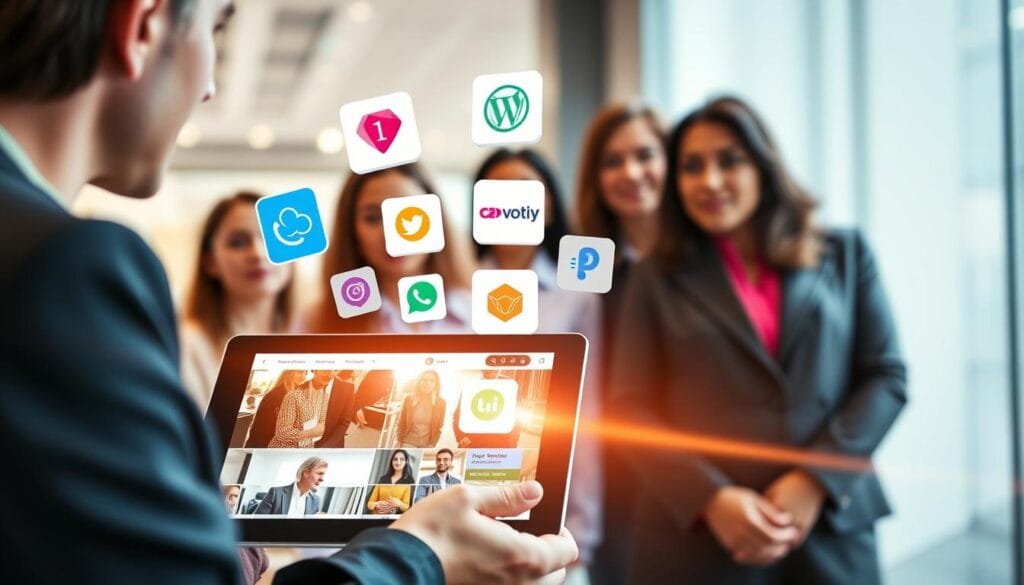
Facebook, Twitch, Reddit, and LinkedIn also offer livestream capabilities for specialized communities. China recorded 597 million ecommerce livestreaming users in 2023, according to the China Internet Network Information Center. That market shows the format’s scale, while U.S. brands still need steady testing and focused marketing.
Know the process but lack implementation time?
Prepare Your Products, Host, Technology, and Shopping Experience
A smooth broadcast starts long before viewers enter the room. Build a focused product list with clear names, prices, variants, images, stock levels, shipping terms, and return rules. Each item also needs a simple demonstration that fits your brand and audience.
Choose a host who knows the product and speaks with ease. The right person can answer unexpected questions, keep energy high, and guide customers through a 30-to-90-minute event. A second team member should watch comments, flag concerns, and protect engagement.
Test the camera, microphone, lighting, mobile layout, upload speed, and backup recording. RTMP and WebRTC support low-delay video, while a content delivery network can handle thousands of viewers. Dedicated commerce platforms may add catalogs, stock counters, sellout alerts, and saved payment details.
Connect overlays, carts, payment tools, order data, analytics, and customer support before launch. Set rules for spam, profanity, and misinformation, then rehearse offers, transitions, demos, giveaways, and recovery steps. Save valuable time and reduce setup risk:
Plan an Engaging Live Shopping Event That Converts Viewers
Give your event a clear rhythm before you invite anyone. A focused 30-to-90-minute plan keeps the host confident and helps viewers know what to expect. Start with a warm welcome, then move from useful content to a simple offer.
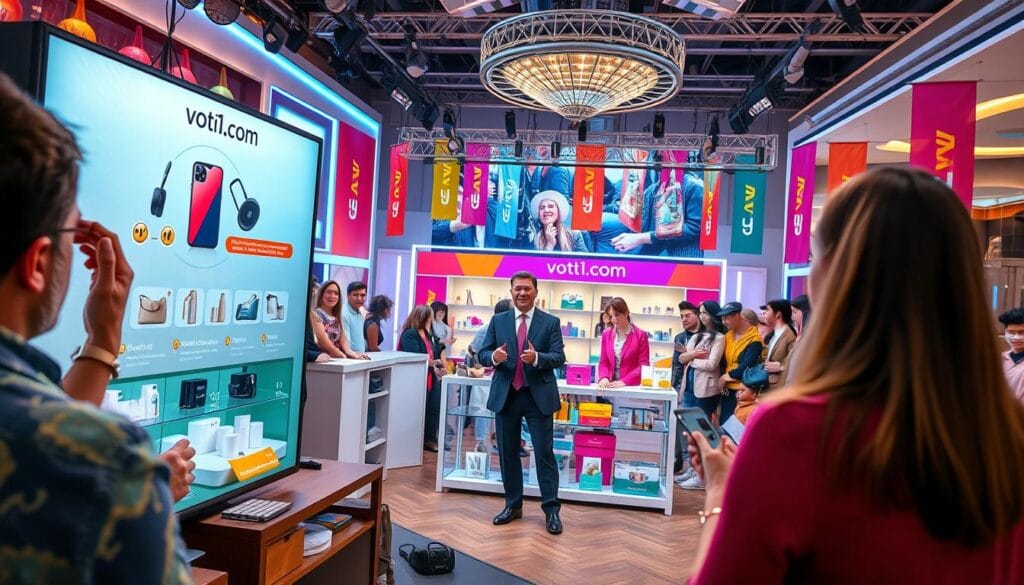
Live Product Demos, Tutorials, Flash Sales, and Limited-Time Offers
Show, compare, unbox, or test each product in a short video segment. Tutorials answer practical questions, while bundles and limited-edition drops add urgency. Test Wednesday and 7 p.m. broadcasts, then adjust your schedule with attendance and purchase data. Most sessions work best when they stay within 30 to 90 minutes.
“Make every offer easy to understand, and every next step easy to take.”
Chat, Polls, Giveaways, Influencers, and Other Engagement Strategies
Invite viewers to ask questions through chat, polls, emoji reactions, and pinned comments. Survey benchmarks offer useful direction: 85% of brands use light humor, 80% answer customer questions, and 78% add contests or giveaways. Credible creators can add social proof, too. Facebook’s Live Shopping Fridays, with Sephora and Clinique, shows how trusted voices can strengthen social commerce.
- Use countdowns before each offer.
- Pin product details and checkout instructions.
- Review engagement insights after each event.
Want a stronger conversion strategy? Explore TikTok Shop launch guidance or .
Avoid Costly Beginner Mistakes and Improve Sales With Analytics
Small setup errors can quietly drain your budget before your first customer completes a purchase. Research your audience before choosing a platform, limit the product list, and test checkout on both mobile and desktop.
Check inventory sync, audio, lighting, latency, and offer details. Keep a backup stream ready if the main connection fails. A trained host, active moderation, and reliable streaming tools help protect trust. Remove spam quickly, answer questions clearly, and avoid promoting unavailable products.
Use analytics to replace guesses with useful insights. Track viewers, watch time, retention, drop-off points, product-card clicks, add-to-cart activity, conversion rate, refunds, and repeat customers. Compare results by host, offer, event time, traffic source, audience group, and content format.
“What gets measured gets managed.”
Alibaba reported about 20 billion yuan in Singles’ Day livestream-commerce sales in November 2019. China also had 597 million ecommerce livestreaming users in 2023. These figures show market potential, not a guaranteed result. Review each broadcast, study replay data, and refine your strategy.
| Metric | What It Reveals | Useful Action |
|---|---|---|
| Drop-off points | Where attention falls | Shorten or improve that segment |
| Card clicks | Product interest | Test clearer offers |
| Refunds | Purchase friction | Review claims and fulfillment |
Conclusion
Great commerce results begin with a clear plan, not complex tools. A strong event pairs useful product demonstrations with a confident host, quick answers, social proof, easy checkout, and stable technology. This creates a trusted customer experience that can support sales.
Choose a platform that fits your audience, product category, creator plan, inventory system, and moderation needs. Start with a focused format. Test each step, then use reliable data to improve every broadcast. The main benefits come from joining discovery, education, community, and buying in one journey for viewers.
New sellers and established brands can gain support from specialists. Experts can manage catalogs, infrastructure, checkout, analytics, moderation, and site design. This help protects your time while brands build a dependable livestream strategy.
Ready to create a polished shopping experience?
FAQ
What is a live shopping stream?
It is a live video session where you show products, answer questions, and guide viewers toward a purchase. This format blends entertainment, content, and ecommerce in one customer experience.
Why does this format help brands build trust?
Real-time product demos let you show how items work. Customer questions, honest answers, and viewer reactions create social proof and stronger brand trust.
Which platform should you choose?
Choose a platform that matches your audience and sales goals. TikTok Shop suits discovery, Instagram supports visual brands, YouTube works well for tutorials, and dedicated commerce platforms offer more control.
What should you prepare before the event?
Prepare your products, product links, host, lighting, microphone, internet connection, and talking points. Test the purchase path so customers can buy with few steps.
What content keeps viewers engaged?
Use product demonstrations, tutorials, comparisons, flash sales, and limited-time offers. Invite viewers to ask questions and show how each item solves a real problem.
How can influencers improve a shopping event?
Creators and influencers can bring trust, energy, and a focused audience. Choose partners who fit your brand and can explain your products in a clear, natural way.
How do polls and giveaways support engagement?
Polls help you learn what your audience wants. Giveaways and chat prompts add energy, but your rules should stay clear and fair.
How can you improve sales with analytics?
Review viewer count, watch time, clicks, conversion rate, sales, and drop-off points. Use these insights to improve your offer, content, host, and promotion strategy.
What mistakes should beginners avoid?
Avoid poor audio, unclear product details, long pauses, weak calls to action, and hard-to-find product links. A simple run-of-show can keep your event focused.
Can customers purchase without leaving the stream?
Many platforms support in-session checkout or product links. Confirm the available tools, payment steps, shipping details, and return policy before your broadcast.