
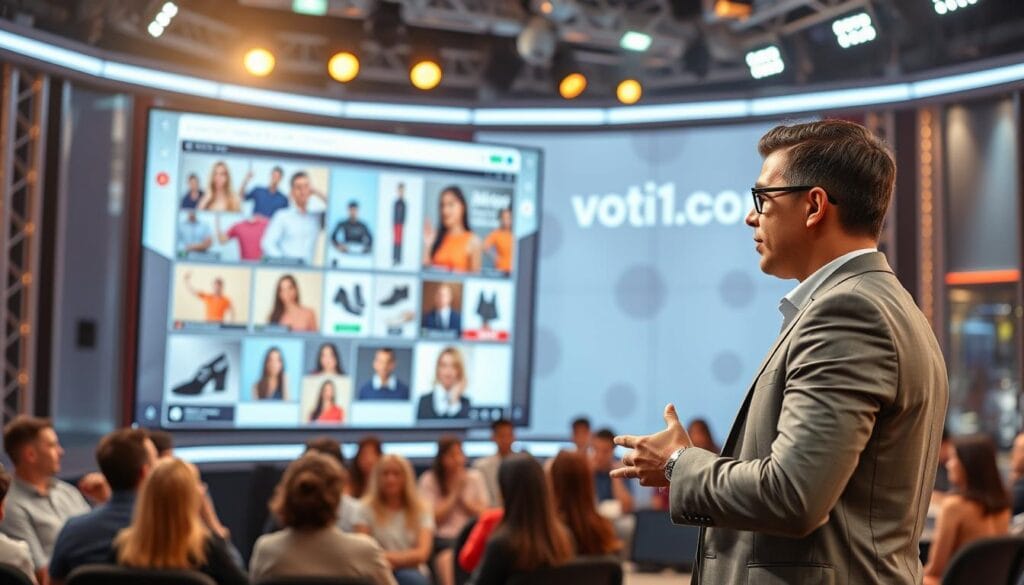
What if your next best customer experience feels more like a show than a store? In 2026, live shopping is becoming a major commerce channel because it blends video, entertainment, product discovery, and instant checkout. The most important shifts include AI personalization, social media integration, interactive video, mobile payments, and brand-owned platforms.
The market shows why this channel deserves attention. Global livestream e-commerce was valued at $19.86 billion in 2025 and may reach $26.41 billion in 2026. By 2035, it could approach $312.35 billion, growing at a 31.72% CAGR.
Retailers in the United States have strong reasons to act. Sales reached an estimated $50 billion in 2023 and may grow 36% by 2026. People now expect quick answers, trusted hosts, and smooth checkout across mobile and social channels.
Still, building a reliable experience takes streaming, payment, inventory, and platform expertise. Professional assistance can help you launch with fewer delays and technical risks.
Key Takeaways
- Video-led commerce is gaining serious market value.
- AI can improve product discovery and personalization.
- Social platforms help brands reach new audiences.
- Mobile checkout should feel fast and secure.
- Expert support can simplify platform development.
Live Shopping Trends Defining US E-commerce in 2026
U.S. retailers are moving from static catalogs to live commerce, where video, real-time conversation, and checkout work together. The model has strong momentum, with a projected global CAGR of 31.72%.
Why Real-Time Video Is Turning Retail Into Entertainment
Hosts can demonstrate products, answer questions, and create urgency with limited offers. Chat participation adds trust and makes product discovery feel personal. Consumers gain clear details before they buy, while buyers enjoy a more engaging form of entertainment.
How Social Commerce Shapes Discovery and Purchases
TikTok, Instagram, YouTube, and Facebook connect media audiences with purchases. Their platforms place product content beside familiar creators and communities. U.S. sales reached an estimated $50 billion in 2023 and may grow 36% by 2026.
Asia-Pacific held 66% of the global market in 2025. Still, North America offers a fast-growing path for retailers. If you need help linking video, product feeds, payments, and audience tools, .
| Signal | U.S. meaning | Retailer action |
|---|---|---|
| Real-time questions | More buyer confidence | Train responsive hosts |
| Social reach | Faster product discovery | Use creator partnerships |
| Market growth | Rising commerce demand | Build reliable platforms |
AI-Powered Personalization Is Reshaping Live Commerce
Artificial intelligence helps you turn broad browsing into a more useful customer journey. By studying viewer behavior, search activity, and purchase signals, AI can suggest relevant products at the right moment. This approach makes commerce feel more personal for consumers.
Real-Time Recommendations, Chatbots, and Sales Insights
During a livestream, chatbots can answer questions about sizing, stock, shipping, and product features. That support lets hosts focus on trust and conversation. Dashboards can also track viewers, engagement, conversions, abandoned carts, and sales.
- AI tags products and creates descriptions, captions, and summaries.
- Translation tools make video content easier to access across markets.
- Fraud detection and inventory forecasts support safer commerce operations.
Virtual Try-Ons, Translation, and Automated Product Content
Virtual try-ons help fashion and beauty shoppers see how products may look before purchase. AnyMind Group launched its GenAI-powered AnyLive platform in September 2024 and acquired Vibula in April 2025. Still, poor data connections can create misleading insights. Professional help can connect AI to catalogs, privacy controls, payments, and commerce platforms safely.
Social Media Platforms Are Becoming Live Commerce Platforms
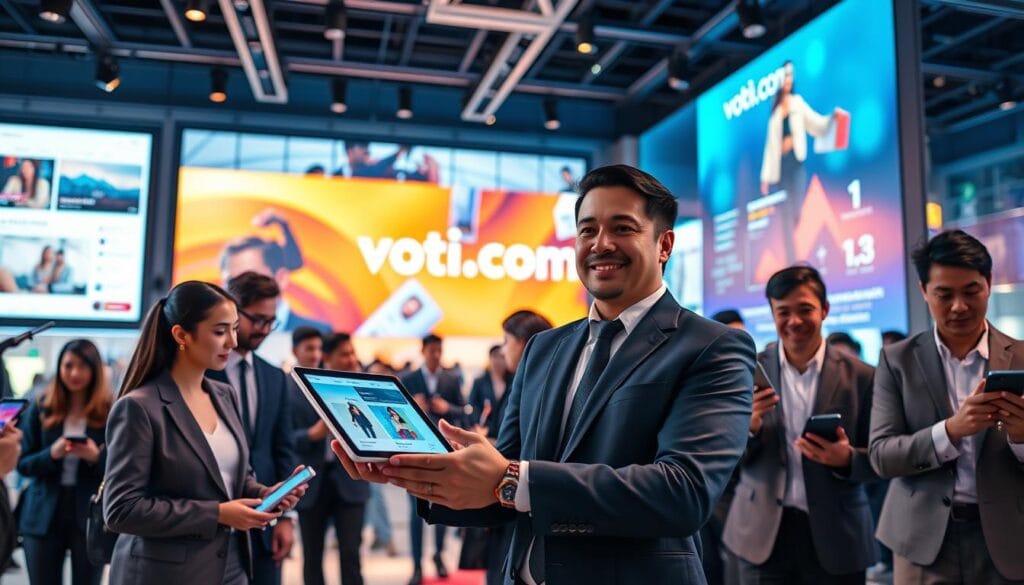
Social media now links discovery, video, community, and checkout in one familiar space. In 2025, social media platforms held 44% of the livestream e-commerce market. Built-in audiences, alerts, short content, and simple interfaces help people find products without leaving their favorite media platforms.
TikTok, Instagram, YouTube, and Facebook Shopping Experiences
TikTok supports fast product discovery and creator-led demonstrations. Instagram suits visual brands, while YouTube works well for longer reviews and product education. Facebook helps retailers reach established groups. Amazon and Walmart offer strong checkout systems, Shopify connects owned stores, and Whatnot centers on creator auctions and community interaction.
Influencer Trust, Creator Communities, and Livestream Shoppers
Trusted influencers can make product advice feel personal. Gary Vaynerchuk reported selling $150,000 in merchandise on Whatnot within four hours. Zara also partnered with Bambuser in January 2025 for Chinese New Year video events, combining owned distribution with social reach.
Recurring streams, exclusive products, questions, and giveaways encourage return visits. If you need help coordinating creators, catalogs, checkout, moderation, and analytics, get assistance launching your TikTok Shop.
Interactive Video Is Increasing Engagement and Conversion
Interactive video turns product discovery into a two-way experience. Instead of viewing a static page, consumers can watch, ask questions, and respond during the same event. This blend of entertainment and commerce helps you build trust while guiding purchases.
Live Product Demonstrations and Instant Buyer Questions
A host can show how a product works, fits, or solves a daily need. That proof often feels stronger than photos or prerecorded content. Viewers can ask about materials, sizing, ingredients, compatibility, and delivery in real time. Clear answers reduce doubt while the host keeps the conversation focused.
Polls, Auctions, Shoppable Video, and Limited-Time Offers
Polls reveal preferences and help viewers shape the event. Auctions, bundles, countdowns, and exclusive codes add urgency without misleading pressure. Shoppable video also gives you useful metrics, including watch time, clicks, cart activity, conversion rate, and sales per viewer.
Still, synchronized video, chat, pricing, inventory, and checkout require careful planning.
| Format | Viewer benefit | Business measure |
|---|---|---|
| Demonstration | Sees product use | Watch time |
| Poll | Feels involved | Audience response |
| Offer | Gets timely value | Conversion rate |
Brand-Owned Platforms Give Retailers More Control
Your own digital storefront can turn each video event into a lasting customer relationship. Brand-owned live commerce platforms give you control over checkout, product displays, customer support, and the full shopping experience.
These platforms are expected to grow faster than other livestream platform types. You can publish custom content, offer private promotions, and create product journeys that match your brand. In March 2025, Verb Technology announced a term sheet to acquire LyveCom, which embeds livestreams and shoppable videos on merchant websites.
First-Party Data, Personalization, and Direct-to-Consumer Relationships
First-party data helps you understand customer needs with permission. Use it to suggest repeat purchases, build useful segments, invite loyal buyers to events, and tailor product content. These insights support stronger strategies than relying on broad media reach alone.
Social media policies, algorithms, and data rules can change without warning. An owned site protects audience access and supports direct relationships. It also helps you sell products and services beyond one event, improving retention and long-term commerce value.
Professional guidance can reduce costly trial and error.
Fashion, Beauty, and Health Products Lead Live Shopping Growth
Some product categories fit video better than others. Fashion, beauty, and wellness let you show results, answer questions, and build trust before checkout. This makes them strong drivers of live commerce in the United States.

Why Fashion and Apparel Continue to Drive Product Discovery
Fashion and apparel held 24% of the livestream e-commerce market in 2025. A host can show fit, texture, movement, color, and outfit pairings in seconds. Viewers can compare sizes and styles while an influencer explains how each product works.
Beauty also benefits from tutorials, ingredient details, and before-and-after demonstrations. Trusted influencers add context and help people find products that match their needs during live shopping events.
Health and Wellness Show the Fastest Growth Potential
Health and wellness is projected to post the fastest product-segment CAGR from 2025 to 2035. Preventive care, fitness advice, nutrition, and wearable technology attract strong interest. Yet retailers must use clear labels, expert moderation, and responsible claims.
A professional commerce build can manage subscriptions, bundles, complex catalogs, and category questions. It also supports accurate product data and safer customer experiences.
| Category | Growth signal | Best demonstration |
|---|---|---|
| Fashion | 24% market share in 2025 | Try-ons and outfit styling |
| Beauty | High visual appeal | Tutorials and ingredient reviews |
| Health | Fastest projected CAGR | Expert guidance and wearables |
North America Is Emerging as a Fast-Growing Live Shopping Market
North America is gaining speed as mobile-first retail becomes part of everyday buying. The region may post the fastest growth, with a projected 30.04% CAGR, supported by strong internet, smartphone, and e-commerce adoption.
China offers a useful benchmark. Its livestream commerce sales rose from $57.12 billion in 2019 to $682.5 billion in 2023. Its share of online-shopping GMV also increased from 17.9% in 2021 to 31.9% in 2023. The market may reach $1.11 trillion by 2026.
What US Retailers Can Learn From China’s Mature Live Commerce Model
During Double 11 in 2024, livestream platform sales reached about $452.2 million. Xiaohongshu also saw an 8.5-fold increase in rooms exceeding 1 million yuan. These results show the power of recurring events, trusted hosts, fandom groups, mobile content, and fast checkout.
You can adapt these strategies through local creators, clear disclosures, focused categories such as fashion, and reliable fulfillment. Strong analytics should connect social media, product discovery, and checkout.
| China lesson | US application | Business benefit |
|---|---|---|
| Recurring events | Seasonal broadcasts | Repeat visits |
| Trusted hosts | Local influencers | Greater confidence |
| Fast checkout | Mobile commerce platforms | Fewer abandoned carts |
Frictionless Checkout and Mobile Technology Are Accelerating Purchases
Fast checkout can turn viewer interest into a completed order. When the cart stays inside the video session, shoppers avoid extra pages, slow redirects, and separate payment windows. This simple path reduces distractions and helps you protect valuable conversions.
In-Stream Carts, Digital Payments, and Instant Checkout
Offer digital wallets, saved payment details, one-click checkout, and guest access. Buy-now-pay-later options may also support larger purchases. Show delivery costs and shipping estimates before payment. These details help United States consumers decide with confidence.
Smartphones, Fast Networks, and Immersive Experiences
Smartphones let people watch a stream, use chat, compare products, and pay from almost anywhere. High-speed internet, 5G, and adaptive bitrate streaming keep video smooth across changing connections. AI can personalize product suggestions, while AR and VR add useful demonstrations.
Kiko Live launched its ONDC Buyer app in January 2025 through kikoshop.in. The example shows how focused mobile platforms can simplify discovery and checkout. Professional technical support can connect payments, responsive design, accessibility, performance, and analytics from the start.
Live Commerce Challenges You Need to Solve Before Launching
A polished broadcast can still fail when the systems behind it are not ready. Before your first event, test every step from video capture to payment confirmation. Small gaps can quickly damage trust and reduce sales.
Technical Reliability, Streaming Quality, and Audience Retention
Outages, buffering, weak audio, broken product links, and poor image quality can send viewers away. Test cameras, microphones, lighting, encoding, bandwidth, backup internet, moderation tools, and payment flows before major shopping events. Check your streams on phones and computers across several networks.
Reliable performance is part of the customer experience.
Inventory, Fulfillment, Customer Service, and Data Security
A successful broadcast may create more orders than your warehouse, suppliers, or delivery partners can handle. Keep product availability, shipping estimates, return rules, and post-purchase messages accurate. Add enough customer service staff to answer questions as demand grows.
Protect accounts, payment details, chat records, and purchase history with encryption, access controls, fraud detection, and clear privacy policies. Professional assistance before launch can prevent costly failures by connecting your platforms, content, checkout, and fulfillment tools.
- Test peak demand before opening to all buyers.
- Review security and recovery plans.
- Track customer feedback after each event.
How to Launch a Live Shopping Site Without Wasting Time or Effort
A clear launch plan helps you move from an idea to a reliable sales channel. In the United States, the market may grow at a 31.72% CAGR from 2026 to 2035, so early preparation matters.
Common Process Difficulties for First-Time Live Commerce Businesses
Start with your audience, product range, goals, and show format. Then choose platforms, prepare the studio, connect the catalog, configure payments, and test mobile checkout. Add host training, moderation, customer support, inventory planning, fulfillment, compliance checks, and analytics before your first event.
New teams often overlook product-feed updates, stock accuracy, and service coverage. Experienced retailers may understand the model but lack time to connect tools, produce content, test streams, and coordinate events.
Professional Assistance for a Properly Built Live Shopping Experience
Professional help can connect media, commerce platforms, payment tools, and customer services in one structured site. AnyMind Group launched AnyLive in September 2024 and acquired Vibula in April 2025. Kiko Live launched its ONDC Buyer app in January 2025.
Begin with a focused assortment and measurable goals.
Conclusion
In 2026, live commerce brings interactive video, AI personalization, creator trust, mobile checkout, and brand-owned relationships into one useful experience. The global market may grow from USD 26.41 billion in 2026 to USD 312.35 billion by 2035, reflecting a 31.72% CAGR.
For United States retailers, North America’s projected 30.04% CAGR creates room for fresh ideas. Social media platforms support product discovery, while media platforms help influencers guide consumers toward confident purchases. Strong social media also helps brands reach new audiences.
Success requires more than a broadcast. Product data, inventory, payments, fulfillment, moderation, analytics, privacy, and customer service must work together. If your team knows the process but lacks time, professional support can reduce rework, delays, and technical mistakes. Build a reliable foundation before demand grows.
FAQ
What is driving livestream commerce in 2026?
Real-time video, creator content, mobile payments, and personalized recommendations are shaping the market. These tools make product discovery more engaging and help consumers ask questions before purchasing.
How do social media platforms support product discovery?
TikTok, Instagram, YouTube, and Facebook connect entertainment with purchasing. You can watch demonstrations, compare products, read comments, and complete checkout without leaving the platform.
How does artificial intelligence improve live commerce?
AI can suggest products, answer buyer questions, translate conversations, and analyze sales insights. It can also create product descriptions and match offers to each viewer’s interests.
Which products work best in livestream shopping events?
Fashion, beauty, electronics, home goods, and health products often perform well. Demonstrations help you show value, explain features, and build trust with potential buyers.
Why do influencers matter in livestream sales?
Influencers bring trusted voices and active creator communities. Their product reviews can increase engagement, strengthen discovery, and encourage viewers to purchase with confidence.
What interactive features increase audience engagement?
Polls, auctions, limited-time offers, instant questions, and shoppable video keep people involved. These features create urgency while giving buyers useful information in real time.
Should you use a brand-owned commerce platform?
A brand-owned platform gives you more control over customer relationships, design, checkout, and first-party data. It can also support direct-to-consumer services and long-term personalization.
What can US retailers learn from China’s mature model?
Retailers can study its strong creator networks, frequent commerce events, fast fulfillment, and integrated payments. You should adapt these practices to US consumer habits and privacy expectations.
How can mobile technology reduce checkout friction?
In-stream carts, digital wallets, saved payment details, and one-click checkout make purchasing easier. A fast mobile experience can reduce abandoned carts and improve conversion rates.
What technical problems can affect a livestream?
Buffering, poor audio, weak moderation, and unstable connections can cause viewers to leave. Test your equipment, internet service, checkout flow, and customer support before each event.
How should you manage inventory and fulfillment?
Connect your broadcast tools with inventory systems and set clear stock alerts. Prepare shipping capacity, return policies, and customer service processes before promoting products.
How can you launch a livestream commerce site efficiently?
Start with a focused product range, a reliable video platform, secure payments, and measurable goals. Professional assistance can help you build the site, connect services, protect data, and avoid costly delays.